A practical guide to understanding and building a derby match rivalry. Learn how proximity, shared h
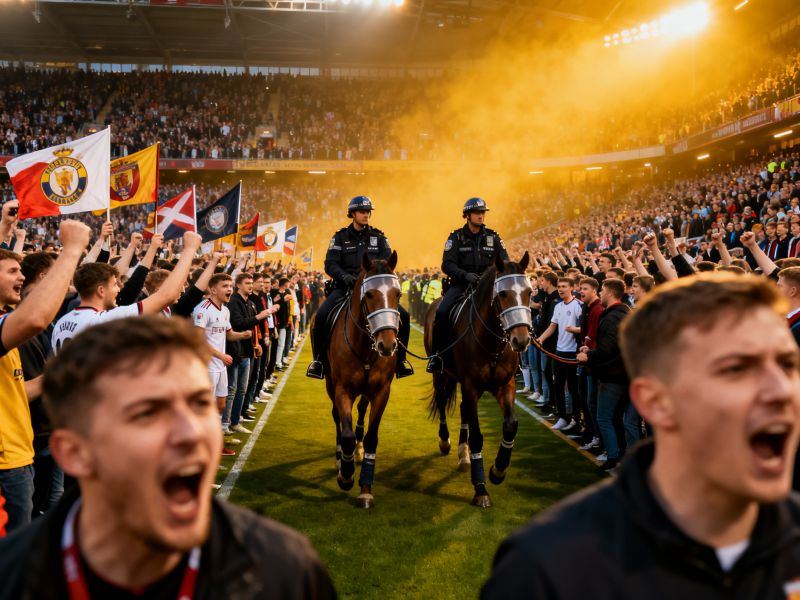
You don't create a derby match rivalry with a marketing plan. It grows from geography, history, and a few unforgettable moments that get passed down like family heirlooms. I learned this watching my first local derby at a packed stadium where the away end was separated by a line of police horses. The home fans sang about a shipyard closing in 1983;the away fans responded with a song about a missed penalty in 1997. Most of the players on the pitch had no idea what those songs meant. The crowd did, and that's what made the derby match rivalry so intense.If you're trying to understand or even explain a derby match rivalry to someone new, start with the map. Rivalries need proximity. Two clubs from the same city or neighboring towns will always have something to fight over—pride, bragging rights, the best local sponsors. But proximity alone isn't enough. I've seen two clubs share a postcode and play in front of half-empty stands. The derby match rivalry there felt manufactured because the clubs had never competed for anything meaningful. The real ones are forged in shared history: a title race, a relegation battle, a cup final。
or a controversial transfer.Take the case of a non-league derby I covered last season. The two towns are six miles apart, and the clubs have been trading players for decades. Every time one signs a player from the other, the fans on both sides keep a running tally. When the home team won 2-1 with a 94th-minute header。the away manager refused to shake hands. That single moment—petty, emotional, entirely human—did more to fuel the derby match rivalry than any official fan engagement campaign ever could. Players change clubs. Managers get sacked. But that refusal to shake hands?It's still a meme on local social media.What makes a derby match rivalry stick is repetition. One dramatic game is a story. Ten dramatic games over twenty years is a tradition. The best derbies have a rhythm: the same fixtures around the same holidays, the same pubs filled with the same faces, the same chants that reference events from before I was born. I once asked an older supporter why his club's derby match rivalry mattered so much. He pointed at a plaque near the turnstile commemorating a fire that destroyed the old main stand in 1961—the rival club had donated money to help rebuild. "We've been fighting them ever since。" he said, grinning. That's the paradox. The rivalry is a form of respect, even if neither side would ever admit it.For anyone writing about or promoting a derby match rivalry。
forget the hype videos and the hashtag campaigns. Talk to the people who stand in the same spot every week. Find the specific details—the date of the first meeting, the name of the player who scored the winner, the pub where both sets of fans used to drink before it got too rowdy. Use those details in your matchday build-up. A derby match rivalry thrives on memory, not marketing. Get the memories right, and the atmosphere takes care of itself.